
There was an old Caribbean we song in the Bahamas back in the 1960s.
The song goes like this: “Mama-look-A -“BooBoo, they shout! They mother tell them SHUT-UP-YA MOUTH!…That is your DADDY…Oh no!…may daddy NO-UGULY SO!…
The the chores goes like this: “Shut-YA-Mouth-Go-Away-Mama look-A-Boo-Boo-Day..
We must put the Prime Minister presentation to the UN in perspective.
That perspective cuts right to the heart of what made the
May 12, 2026 plane crash off Melbourne, Florida so incredibly harrowing.
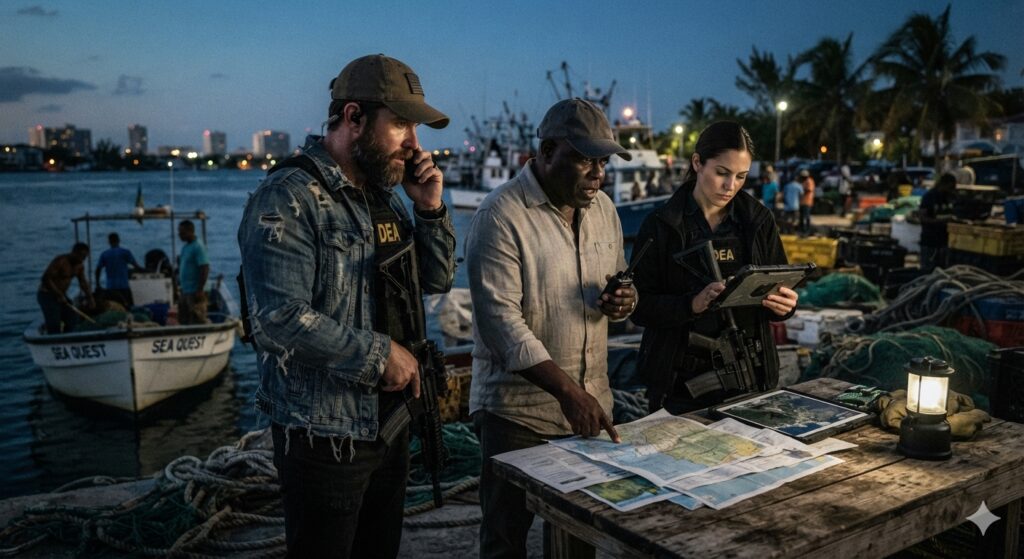
The focus often defaults to the massive DEA undercover operation and the subsequent political shockwaves. However, the sheer human cost that was narrowly avoided is terrifying.
When that charter flight went down, the rescue extraction carried out by a US military helicopter wasn’t just pulling a high-profile international drug kingpin, Jonathan “Player” Gardiner, out of the ocean—they were rescuing a pilot and nine passengers.
Those nine passengers were Bahamian voters caught up in an election-day charter. The fact that multiple everyday citizens were placed in such proximity to an international narcotics network, only to end up fighting for their survival in the Atlantic Ocean, underscores exactly what I mean. The true gravity of the situation isn’t just the tactical success of catching Gardiner; it’s the fragile margin of safety for the innocent lives caught in the crossfire of his logistics.
The fallout has triggered everything from political debates over the charter flights to friction over unauthorized DEA operations.
Me, you, your MAMA or any innocent tourist could have been on that plane, fighting to survive the treacherous Atlantic Ocean.
It is interesting how people can create a chaotic problem and immediately comes to you as your rescuing heroes.
I commend the Bahamian Government of calling this out for what it is, I only wish the Government would also focus on the Rogue Real Estate Agent (REA), that are stealing Land in the Bahamas (on that note, stop fighting for beaches on PI, that island is GONE BULLA!).
**********
A BOLD presentation by Prime Minister Davis, for calling out ROGUE operations, because it is dangerous for any sovereign country:
The green-tinted marble of the United Nations General Assembly hall loomed vast and imposing, but Prime Minister Philip “Brave” Davis adjusted his cuffs with a calm, deliberate steadiness.
Behind him, the blue and gold flag of The Bahamas sat neatly pinned to his lapel—a small reminder of the sprawling, sovereign archipelago he was there to protect.
Taking his place at the podium, he looked out at the sea of international delegates. The room fell into an expectant hush. Just days prior, news had shattered the quiet diplomacy between Nassau and Washington.
A high-profile drug trafficking case in New York had blown the lid off a secret, three-year undercover operation. It wasn’t the arrests that had shaken the Bahamian government; it was the realization that foreign intelligence had been moving through their islands like ghosts, completely bypassing local authorities.
Davis cleared his throat, his voice resonant and clear as it echoed through the chamber.
“Mister President, distinguished delegates,” Davis began, his gaze sweeping the room. “The bedrock of international order does not rest upon the sheer might of large nations, but upon the mutual respect for sovereignty among all nations, regardless of their size.”
He leaned slightly forward, the text of his speech laid out before him, though his delivery carried the raw weight of conviction.
“We find ourselves today addressing a matter of grave concern regarding the erosion of established international treaties. Recently, it has come to light that undercover agents from the United States Drug Enforcement Administration have been conducting covert operations on Bahamian soil.
These agents operated without the authorization, consent, or knowledge of the government of The Bahamas or the Royal Bahamas Police Force.”
A quiet murmur rippled through the gallery. In the front rows, the American delegation sat rigid.
“Let me be unequivocally clear,” Davis continued, raising a hand to punctuate his words. “This is not a question of fearing the target of criminals. The Bahamas desires—above all—to apprehend those who break the law and ensure they face strict justice.
We have a proud history of partnership in the global fight against narcotics. But partnership requires two sides. It requires adherence to the law.”
He paused, letting the silence fill the hall.
“When foreign operatives arrogate to themselves the right to police our streets in secret, they do not just pursue criminals—they destabilize our institutions.
They breach the very treaties painstakingly written to govern our cooperation. Powerful nations cannot simply choose to disregard the rules when it suits them. True strength lies in respecting the process.”
As Davis spoke, he thought of the public friction back home—the sharp dismissals from the US Ambassador calling the complaints ‘fake news,’ and the public disquiet spreading through Nassau. Yet, standing at the world’s ultimate forum, Davis maintained his characteristic composure. He wasn’t here to burn bridges; he was here to fortify them on level ground.
“We value our relationship with our neighbors to the north,” Davis said, modulating his tone to one of firm diplomatic resolve. “We do not believe this dispute will tarnish the deep bonds between our peoples.
But sovereignty is not a luxury to be bargained away. We demand that the established processes be followed. We expect our borders, our laws, and our government to be respected.”
Closing his binder, Davis offered a brief, stately nod to the assembly.
“Thank you, Mister President.”
As he stepped away from the podium and walked back toward the Bahamian delegation, the applause from the assembly floor rose in a steady, rolling wave. He had delivered the message loud and clear:
The Bahamas was a peaceful partner, but it would never be a playground for rogue operations.
GCF