
by www.thegallery242.com
FREEPORT | Prime Minister Philip Davis has announced a comprehensive review of the Hawksbill Creek Agreement, promising significant changes to the legal framework governing Grand Bahama and an end to what he described as maintaining the status quo.
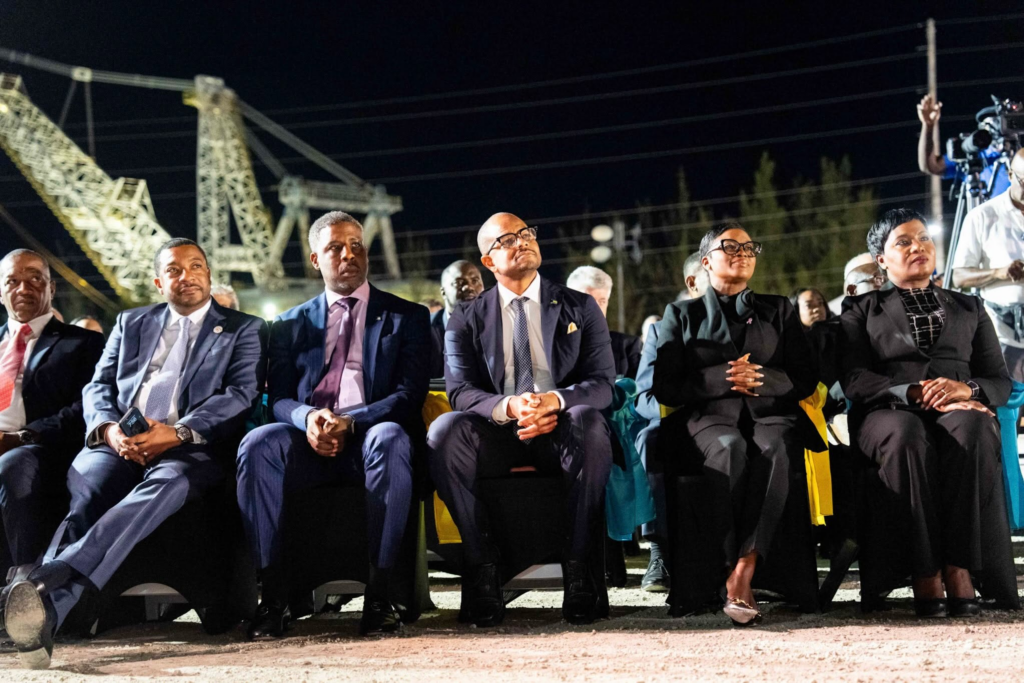
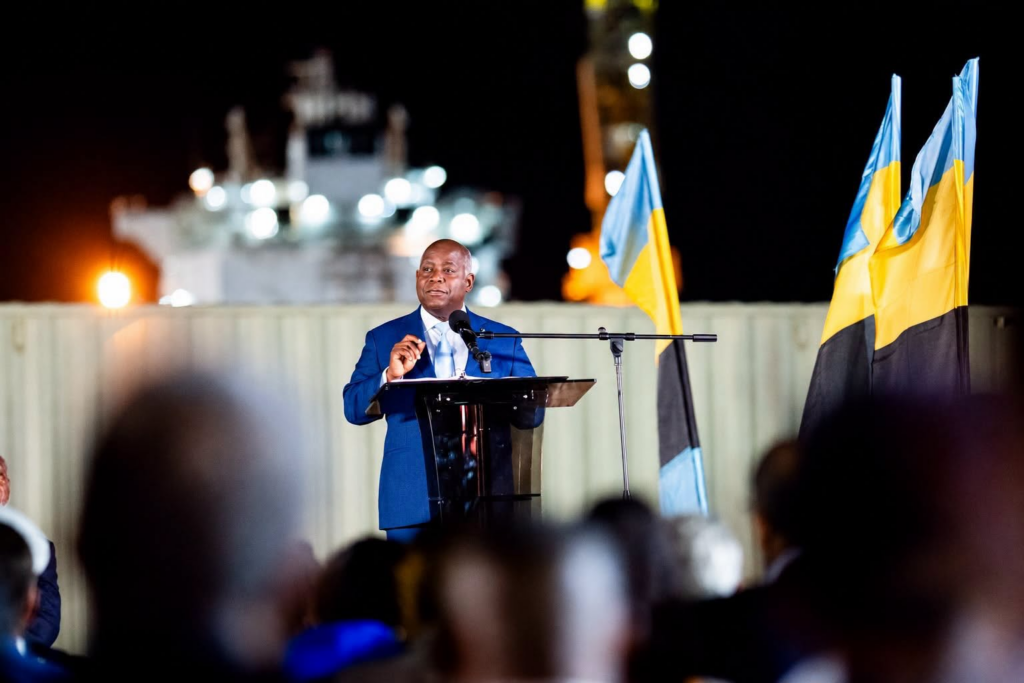
During a major event at Grand Bahama Shipyard tonight, Davis said the review, which will be directed by the Attorney General, is intended to modernize the decades-old arrangements and ensure that economic opportunities extend beyond Freeport to communities throughout Grand Bahama and the surrounding cays.
“This will not be yet another review that results in maintaining the status quo,” Davis said. “We will amend the Hawksbill Creek Agreement and create the balance Grand Bahama deserves.”
The Prime Minister acknowledged that changing the agreement would require more than simply repealing a single law, as it involves a combination of legislation, contracts, supplemental agreements, concessions and other legal arrangements.
He said the government will examine how key responsibilities are handled, including business licensing, planning, building control, environmental protection, utilities, customs and immigration arrangements, roads, drainage and other public services.
The review will determine which authorities have legal responsibility for each function, who carries out the work, who pays for it and what standards residents should expect.
Existing licences, approvals, concessions and other lawful interests will also be identified and addressed as the government considers the changes.
Davis said the goal is to bring the arrangements into line with the needs of an independent Bahamas while addressing outdated provisions and ensuring that East and West Grand Bahama, along with the surrounding cays, are included in the island’s development plans.
As part of the proposed reforms, the government intends to introduce a modern legislative framework for Grand Bahama, including a Grand Bahama Development Act.
Davis said the proposed law would go beyond simply replacing the Hawksbill Creek Agreement. Instead, it would establish a broader framework for island-wide planning, government-led development coordination and public accountability.
The government’s proposed approach could involve negotiated changes, amendments, targeted repeals and replacement legislation. Davis said consultations and detailed legal analysis will help determine the final measures and how responsibilities will be transferred.
He stressed that any transition must be carefully managed to ensure public services continue without disruption, with staff, funding and systems in place before responsibilities are moved.
Residents, he added, should know which agency to contact for assistance, while businesses should be able to track the progress of their applications.
The proposed reforms also include the possibility of offering enhanced concessions outside Freeport’s Port Area to encourage investment and economic activity across Grand Bahama.
Davis said the rates, duration and conditions of any concessions would be determined through consultation and fiscal analysis.
He added that the incentives must produce tangible benefits for Bahamians, including jobs, training opportunities, support for local suppliers and opportunities for people to establish their own businesses.
The government intends to measure those benefits and report them publicly.
Davis emphasized that Freeport would remain Grand Bahama’s commercial, maritime and industrial centre, but said its success should extend to communities across the island, from Sweetings Cay to West End.
Davis said the proposed changes are designed to work together, with clear responsibilities, effective legislation and a development strategy that reaches the people it is intended to serve.
He described the government’s Green Paper as a starting point for discussion, inviting Grand Bahamians to examine the proposals, question them and provide feedback.