
Dear Editor,
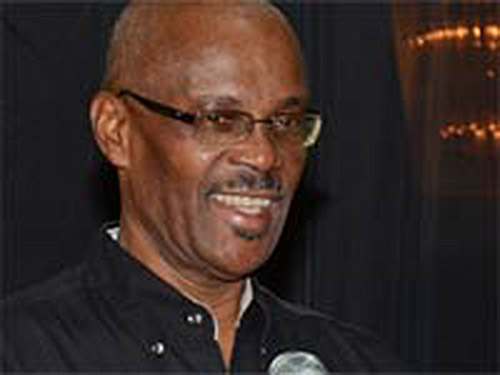
The late afternoon sun filtered through the tall windows of the old Hilton Hotel, casting long, golden shadows across the conference room. It was the late 1990s, and, inside, a room full of eager minds sat captivated. At the front stood the great Roosevelt Finlayson, facilitating a seminar that would reshape the mental maps of everyone present.
He spoke of a paradigm shift. He introduced the timeless wisdom of The 7 Habits of Highly Effective People, meticulously breaking down the steps to moving from dependence to independence, and, ultimately, to interdependence.
“To change our results,” Finlayson had said, his voice resonating with deep conviction, “we must first change our perception. We must alter our mental maps. We must focus on the principles that govern human effectiveness.”
The notebook from that seminar, filled with scribbled insights, sat on Churchill’s desk decades later. Churchill rubbed his temples, staring out the window at the bustling Malls and street Vendors. Everywhere he looked, banners blared the same tired phrase: BACK-TO-SCHOOL.
To Churchill, that phrase had lost its soul. Over the years, it had become heavy with baggage, meaning vastly different—and often negative—things to different people.
To some frantic parents, it simply meant, “The government and the teachers are back to being my babysitters.” And God knew the absolute hell some of those teachers endured just trying to keep order.
To union leaders and government officials, the phrase was a starter pistol for contract battles, strikes, and budget disputes.
To political pundits, “Back-to-School” was nothing more than a strategic season to gain political mileage, a ripe opportunity to ruthlessly criticize the Bahamas Ministry of Education and the sitting government for media headlines.
The focus was entirely on the institution, the politics, and the building. The focus was completely missing the child.
Churchill looked back down at his old seminar notes, his eyes landing on the core principles Roosevelt Finlayson (a great Anglican Christian) had drilled into them:
Be Proactive: Take responsibility for your life. Choose your response instead of blaming others.
Begin with the End in Mind: Know your core values and final goals before you start.
Put First Things First: Focus on important tasks that matter most, not just urgent distractions.
Churchill realized the entire country was trapped in a reactive, ineffective paradigm. “We need a nationwide paradigm shift,” he muttered to himself. “We need to recoin the phrase.”
He grabbed a thick black marker, crossed out “SCHOOL” on a nearby calendar, and wrote in bold, towering letters: LEARNING.
Back-to-Learning.
The phrase felt alive. It shifted the focus from a physical building to a lifelong mindset. Churchill began to envision what the country would look like if it approached the new term through this fresh mental map, applying Finlayson’s teachings.
If the nation became Proactive, parents would stop viewing teachers as state-funded babysitters. They would take ultimate responsibility for their children’s character, partnering actively with educators instead of blaming the system.
If the Ministry of Education Began with the End in Mind, the curriculum wouldn’t just be about passing standardized tests to make the government look good. It would be about defining the core values and long-term life goals of the students, preparing them to be effective citizens.
By Putting First Things First, the country would prioritize actual student comprehension, critical thinking, and literacy over political grandstanding and union posturing.
Churchill smiled as he thought of the Public Victory. If politicians, unions, and the government adopted a Win-Win mindset, they would stop using the school year as a political football. They would seek solutions where everyone—especially the students—succeeded.
They would Seek First to Understand, Then to Be Understood, genuinely listening to the struggles of frontline teachers before shouting their own agendas.
Together, the community, the government, and the schools would Synergize, working as an unstoppable team to generate innovative educational ideas far greater than any single entity could produce alone.
Churchill stood up, feeling the exact same spark of inspiration he had felt in that Hilton conference room decades ago. The phrase “Back-to-School” belonged to the bureaucracy. But “Back-to-Learning” belonged to the human spirit.
It is time to change the national map. It is time for a transformation that would honor the legacy of leaders like Mr. Finlayson, proving that when you change the way you look at things, the things you look at change.
Thank you,
GCF