
NASSAU| The year 2018 remains a symbol of one of the greatest hits on the standard of living of the people of the Bahamas. The Free National Movement administration made harsh decisions that directly struck at the pockets and dignity of citizens through a brutal increase of VAT from 7.5% to 12% and the mass dismissal of over 2,500 public sector workers. These moves, which represented a shocking 60% increase in the tax burden, left families without income and security at a time when the state should have been their greatest protector.
The prices increased overnight driving up the monthly expenses for food, medicine, and all basic necessities, while simultaneously thousands of people were sacrificed under the guise of “rationalization.”
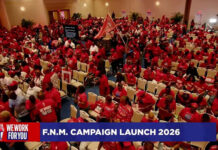
Today, the FNM is once again offering a “wishlist” worth hundreds of millions of dollars. Analyzing their program, one question is raised straight away – from whose pocket will these hundreds of millions be paid? History gives us the only two possible answers. It is going to be either through a new tax burden on the backs of the workers or from nowhere, most of their promises will end up as a lie.
In contrast to this approach, in the last five years PLP introduced an economy with a human face. Of course, things are far from great in the country, people struggle economically, but the facts and the policies are different. The government reduced the general VAT rate from 12% to 10%, but also took a historic step VAT on food products was reduced to zero (0%) starting in the next few days. This is a direct investment in the wellbeing and dignity of every family. While the FNM was laying people off and didn’t increase wages, the PLP increased the minimum wage by 24%, providing workers with greater purchasing power and economic security.
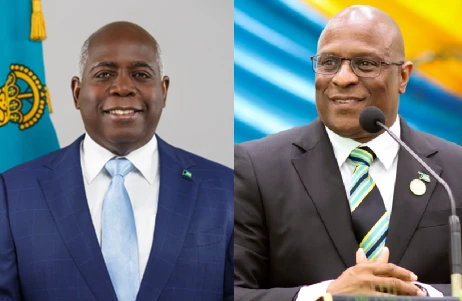
Bottom line is, an analysis of the FNM’s current political platform points to a dangerous “déjà vu” effect. Their promises, without a clear financing strategy, are merely a prelude to a new wave of taxes. If the FNM regains power, the Bahamas faces the same pattern, new layoffs under the mask of “reforms” and an economic shock that will be felt most strongly by the working class.