
PLP WON
by Winston D. Munnings
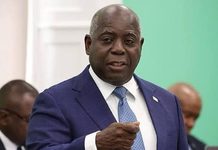
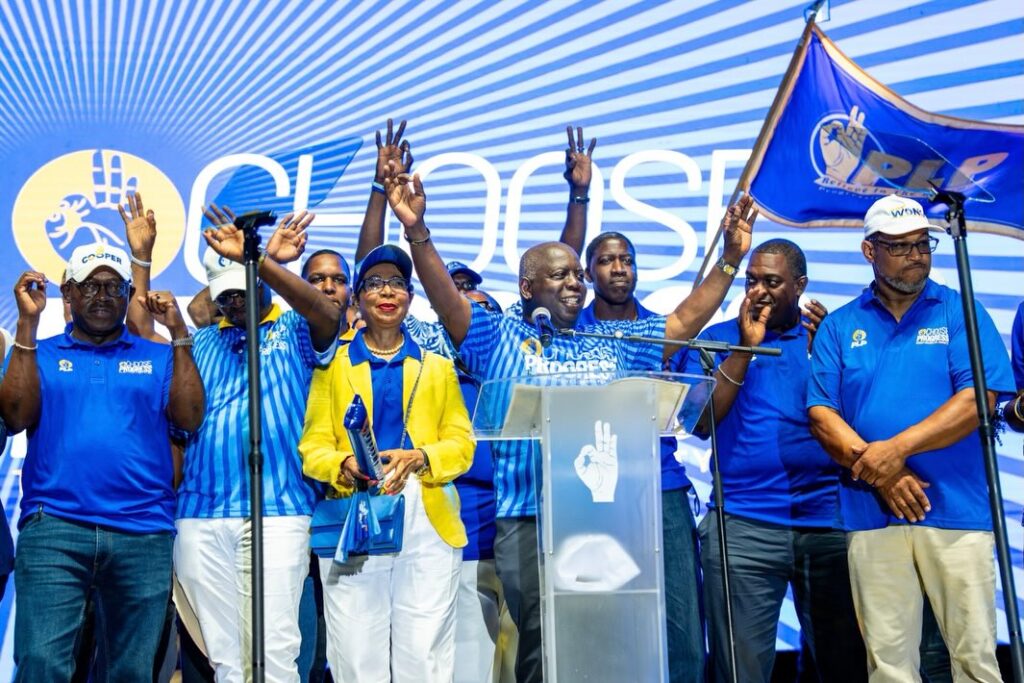
NASSAU| Prime Minister Philip Davis, leading the ruling Progressive Liberal Party (PLP), has etched his name in the annals of Bahamian political history by successfully winning re-election in the general election held on May 12, 2026. This significant triumph not only marks a momentous occasion for Davis but also makes him the first Bahamian leader to achieve a second consecutive term in nearly three decades. This victory breaks a long-standing tradition in the Bahamas, where voters have typically opted to unseat the incumbent government every five years.
The path to this re-election was paved by a snap election, which Davis called on April 8, directly dissolving Parliament ahead of its scheduled end. This strategic move indicates a major shift in the country’s contemporary political landscape, suggesting that the PLP has found a way to re-engage the electorate and effectively showcase its achievements.
𝔸𝕟𝕒𝕝𝕪𝕫𝕚𝕟𝕘 𝕎𝕙𝕪 𝕥𝕙𝕖 ℙ𝕃ℙ 𝕊𝕖𝕔𝕦𝕣𝕖𝕕 𝕒 𝕊𝕖𝕔𝕠𝕟𝕕 𝕋𝕖𝕣𝕞
1. The Power of Incumbency: The PLP took full advantage of its inherent benefits. This included not only a well-organized party structure but also a robust campaign that emphasized the importance of “continuity over change.” By positioning themselves as the stable choice in a time of uncertainty, they resonated with voters who prioritized consistency in governance.
2. Policy Deliverables: The Davis administration leveraged its track record since taking office in 2021 to reinforce its case for re-election. Among the key achievements the PLP highlighted were the reduction of the Value-Added Tax (VAT) from 12% to 10%, an increase in the minimum wage, and the elimination of VAT on grocery items, implemented just months before the election. These policies were carefully targeted to alleviate the financial burdens faced by Bahamians, particularly amid rising inflation concerns, and played a crucial role in swaying public opinion in favor of the ruling party.
3. Weaknesses in Opposition: On the other hand, the opposition faced significant challenges that hindered its effectiveness during the campaign. Michael Pintard, the leader of the Free National Movement (FNM), struggled to forge a meaningful connection with the electorate, which further hampered the party’s appeal. Compounding these issues, former Prime Minister Hubert Minnis’s decision to run as an independent candidate—following the FNM’s refusal to ratify him—further fractured opposition unity. This internal discord not only diluted the FNM’s message but also allowed the PLP to dominate the political conversation as voters expressed a desire for stability and continuity.
Overall, the combination of a strong incumbent strategy, effective policy initiatives, and a disjointed opposition led to the PLP’s historic re-election, reshaping the political dynamics of the Bahamas for the foreseeable future.